
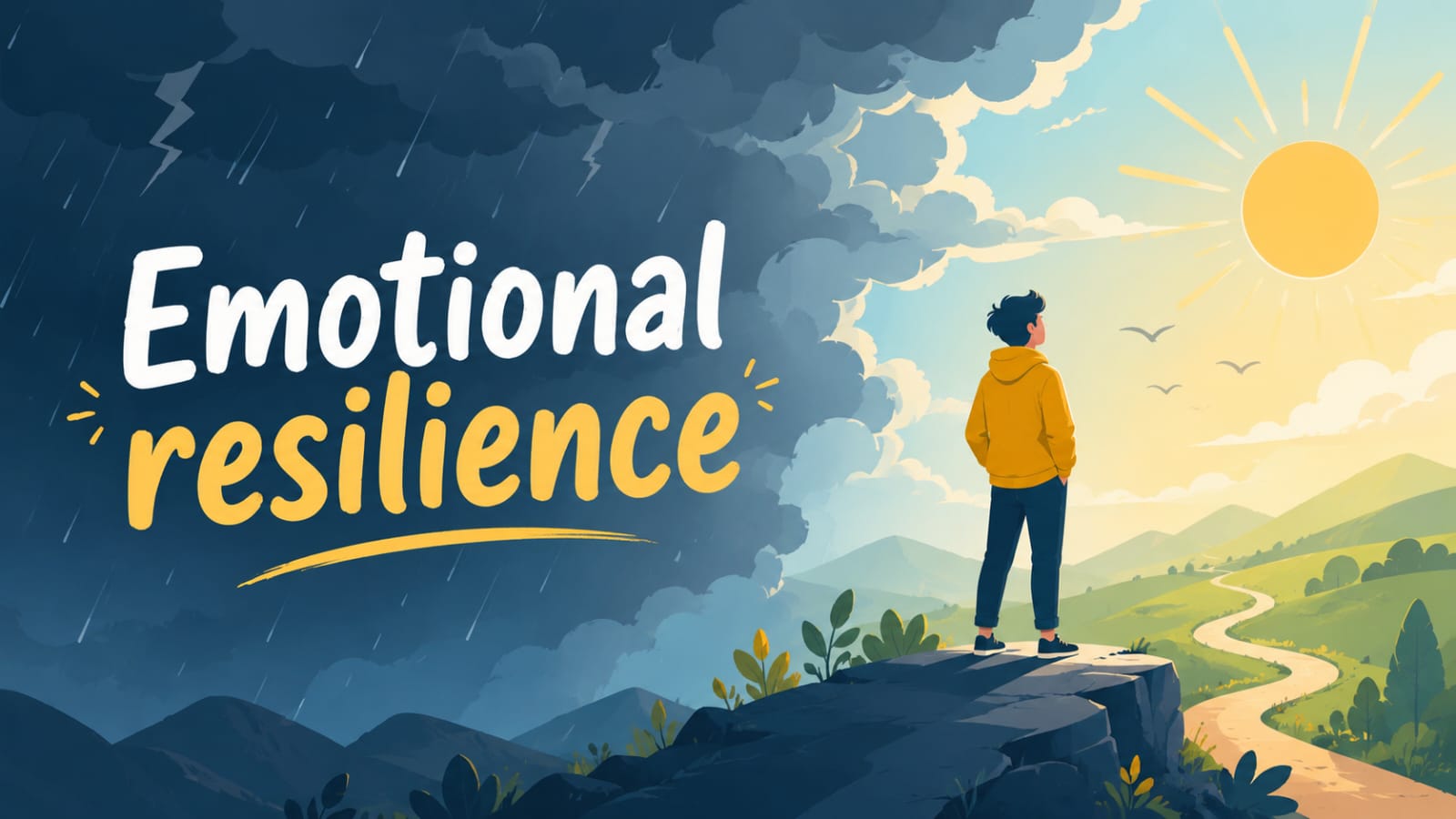
Uncertainty has become a defining feature of modern life. From global events and economic shifts to personal challenges like career changes, health concerns, or relationship struggles, unpredictability surrounds us. While we cannot always control what happens around us, we can influence how we respond. This is where emotional resilience plays a powerful role.
Emotional resilience is the ability to adapt, cope, and recover from stress, adversity, or unexpected change. It doesn’t mean ignoring pain or pretending everything is fine. Instead, it’s about acknowledging difficult emotions, learning from experiences, and moving forward with strength and clarity. In uncertain times, emotional resilience acts like an inner anchor—keeping us steady even when external conditions are unstable.
“When we are no longer able to change a situation, we are challenged to change ourselves.”
Developing emotional resilience helps us face uncertainty not with fear, but with confidence and purpose.
Advantages of Emotional Resilience
Building emotional resilience has long-term benefits that go beyond simply “getting through tough times.” Here are some key advantages:
1. Better Stress Management
Emotionally resilient individuals are better equipped to handle stress. Instead of feeling overwhelmed or paralyzed by pressure, they can pause, assess the situation, and respond thoughtfully. This reduces burnout and protects both mental and physical health.
2. Improved Emotional Balance
Resilience helps you regulate emotions more effectively. You still feel disappointment, anxiety, or sadness—but these emotions don’t control your actions. You’re able to process feelings without being consumed by them, leading to greater emotional stability.
3. Stronger Relationships
When you’re emotionally resilient, you communicate more clearly, listen better, and respond with empathy. This strengthens personal and professional relationships, especially during conflicts or challenging conversations.
4. Greater Confidence and Self-Trust
Each time you overcome adversity, your belief in yourself grows. Emotional resilience builds confidence by reminding you that you’ve faced challenges before—and survived. This self-trust becomes invaluable during uncertain times.
How to Build Emotional Resilience
Emotional resilience is not an inborn trait; it’s a skill that can be developed with practice and intention. Below are practical ways to strengthen it:
1. Accept What You Cannot Control
One of the biggest sources of emotional distress is resisting reality. While it’s natural to wish things were different, resilience begins with acceptance. Focus your energy on what is within your control—your actions, mindset, and responses—rather than external events.
Acceptance doesn’t mean giving up; it means choosing peace over constant frustration.
2. Develop Healthy Emotional Awareness
Resilient people are emotionally aware. They recognize what they’re feeling and why. Instead of suppressing emotions, they name them: “I feel anxious,” or “I feel disappointed.” This awareness reduces emotional intensity and allows for better decision-making.
Journaling, mindfulness, or simply checking in with yourself daily can help build this habit.
3. Build a Strong Support System
You don’t have to face uncertainty alone. Friends, family, mentors, or support groups provide perspective, comfort, and reassurance. Sharing your thoughts doesn’t make you weak—it strengthens your resilience by reminding you that help is available.
As the saying goes,
“Resilience grows not from standing alone, but from knowing when to lean on others.”
4. Practice Self-Compassion
During tough times, many people become overly critical of themselves. Emotional resilience requires self-kindness. Treat yourself the way you would treat a close friend—with patience, understanding, and encouragement.
Self-compassion helps you recover faster from setbacks and reduces fear of failure, making it easier to try again.
5. Create Meaning and Purpose
Resilient individuals often find meaning even in hardship. This doesn’t mean justifying pain, but learning from it. Ask yourself: What can this situation teach me? How can I grow from this experience?
Having a sense of purpose—whether through work, family, creativity, or service—gives you something steady to hold onto when life feels uncertain.
Conclusion
Uncertain times are inevitable, but emotional resilience determines how deeply they affect us. By learning to manage stress, regulate emotions, and adapt with intention, we can face challenges without losing ourselves in fear or frustration. Emotional resilience doesn’t remove difficulties—it transforms how we experience them.
The journey to resilience is gradual and deeply personal. Small, consistent efforts like practicing acceptance, nurturing relationships, and being kinder to yourself can lead to powerful inner strength over time. When uncertainty arises, emotional resilience reminds you of a simple truth: you are more capable than you think.
“Character cannot be developed in ease and quiet. Only through experience of trial and suffering can the soul be strengthened.”
By building emotional resilience, you don’t just survive uncertain times—you grow through them.